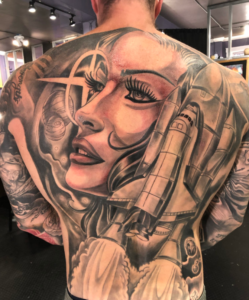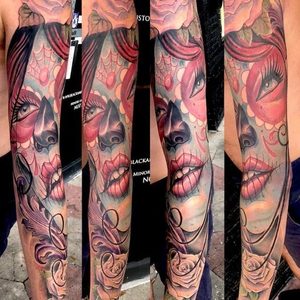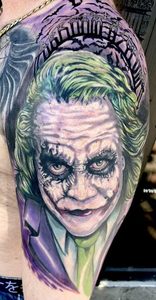
Weighing the pros and cons of portrait tattoo designs starts with who or what you want to remember. Maybe it’s your dad’s familiar smile. Maybe it’s the dog who was by your side for years. A portrait can keep that connection close, but getting the likeness right takes careful planning.
Small details matter here. A slight change around the eyes or mouth can make a familiar face look different. For that reason, choosing an artist with strong portrait work deserves as much attention as choosing the photograph.
You’ll also need to think about size and placement. Black and grey, color, and illustrative portraits offer different looks. Meanwhile, your budget and the space available may shape what the artist can include.
At Black Amethyst Tattoo in St. Petersburg, Florida, we help clients explore custom designs with personal meaning. Here’s what to consider before committing to a portrait.
In a Hurry? Call 727) 498-1999
Key Takeaways
- Personal meaning: A portrait can honor someone you want to carry in your memory.
- Artist expertise: Look for recognizable faces in the artist’s portfolio, including healed work.
- Design planning: A clear reference photo and enough space give the artist more room to work.
- Long-term appearance: Small details can lose definition as the tattoo ages.
- Aftercare: Follow healing instructions and protect healed tattoos from the sun.
What Is a Portrait Tattoo?
A portrait tattoo depicts a recognizable person, animal, or character. Most start with a photograph, though an illustration can also serve as the reference.
Memorial portraits are one option. Other people choose a favorite musician or a fictional character. The subject doesn’t need to be someone you’ve met to hold meaning for you.
To create a likeness, the artist focuses on facial proportions and expression. Shading adds depth, while contrast helps separate features.
However, a photograph contains more detail than a small tattoo can always hold. Your artist may suggest a larger design or simplify parts of the image. The aim is a face you can recognize after healing, with room for the details that matter.
Pros and Cons of Portrait Tattoo Designs: What to Consider
The pros and cons of portrait tattoo designs come down to meaning and precision. A familiar face can make the artwork deeply personal. On the other hand, an inaccurate expression may be hard to overlook.
Use these trade-offs to guide your conversation with the artist.
| Factor | Pros | Cons |
| Personal meaning | Keeps an important person or pet close | An inaccurate likeness may feel upsetting |
| Appearance | Captures a familiar face or expression | Small errors can change how the subject looks |
| Customization | Leaves room for meaningful additions | Extra elements need more space and planning |
| Placement | Suits several body areas | A small area may limit facial detail |
| Cost | Creates artwork based on your chosen subject | Detailed work can take more time and cost more |
| Longevity | Clear contrast helps features stand out | Fine details may soften with age |
Advantages of Getting a Portrait Tattoo
A portrait lets you carry a specific memory. That might be someone’s smile or the look your pet gave you every morning.
- Personal connection: The subject can represent a relationship you want to remember.
- Recognizable details: A skilled artist can capture the features that make a face familiar.
- Creative flexibility: A date or flower can add meaning without taking attention away from the portrait.
- Artistic depth: Carefully placed shadows help the face look dimensional.
- Subject variety: Your reference can feature a loved one, a pet, or a character you connect with.
You can also keep the design simple. A portrait doesn’t need a busy background to feel personal.
In a Hurry? Call 727) 498-1999
Disadvantages of Getting a Portrait Tattoo
Portraits leave little room for likeness errors. Before booking, consider the practical limits alongside the emotional appeal.
- Precision requirements: Slight changes to facial proportions can alter an expression.
- Higher costs: Preparation and detailed shading may add to the session time.
- Space limitations: A tiny portrait may not leave enough room for clear facial features.
- Aging concerns: Subtle shading and small details can lose definition over time.
- Difficult corrections: An inaccurate face may be hard to rework, especially where the ink is dark.
Ask what your reference photo will allow. If the artist recommends changing the size, find out which details need more room.
What Makes a Good Portrait Tattoo?
A good portrait tattoo looks like its subject. The expression should feel familiar, and the shading should make the face easy to read.
That takes more than copying every mark in a photograph. The artist has to decide which details will work on skin.
- Accurate facial proportions: The spacing between features helps preserve likeness. Even a small shift can change the face.
- Balanced shading: Shadows add depth. Lighter areas help keep nearby features from blending together.
- Clear reference photographs: Sharp images make expressions and facial shapes easier to interpret. A blurry photo gives the artist less information.
- Suitable size and placement: Enough space allows for detail. Body curves also affect how the portrait looks from different angles.
- Experienced tattoo artist: Review portraits in the artist’s portfolio. Also ask for healed examples so you can see how the work settles.
Pay attention to likeness when comparing examples. Smooth shading alone doesn’t show whether an artist captured the person accurately.
Black and Grey vs. Color Portrait Tattoos: Which Is Better?
Neither option is better for every portrait. Black and grey suits a monochrome look, while color can preserve details such as hair or clothing colors.
Start with the reference photo and the look you prefer. Then discuss which approach suits the design and your skin.
| Feature | Black and Grey Portrait | Color Portrait |
| Appearance | Monochrome with a range of tones | Uses color as part of the likeness |
| Technique | Builds depth through tonal shading | Combines shading with color blending |
| Common subjects | Loved ones, pets, or characters | Loved ones, pets, or characters |
| Visual focus | Shape and expression | Shape and expression with color detail |
| Aging | Fine tonal details may soften | Colors may fade at different rates |
| Best for | A portrait without color | A design where color matters to you |
Both styles can change over time. Sun exposure can fade tattoo ink, so long-term care matters no matter which style you choose.
How Do You Care for a New Portrait Tattoo?
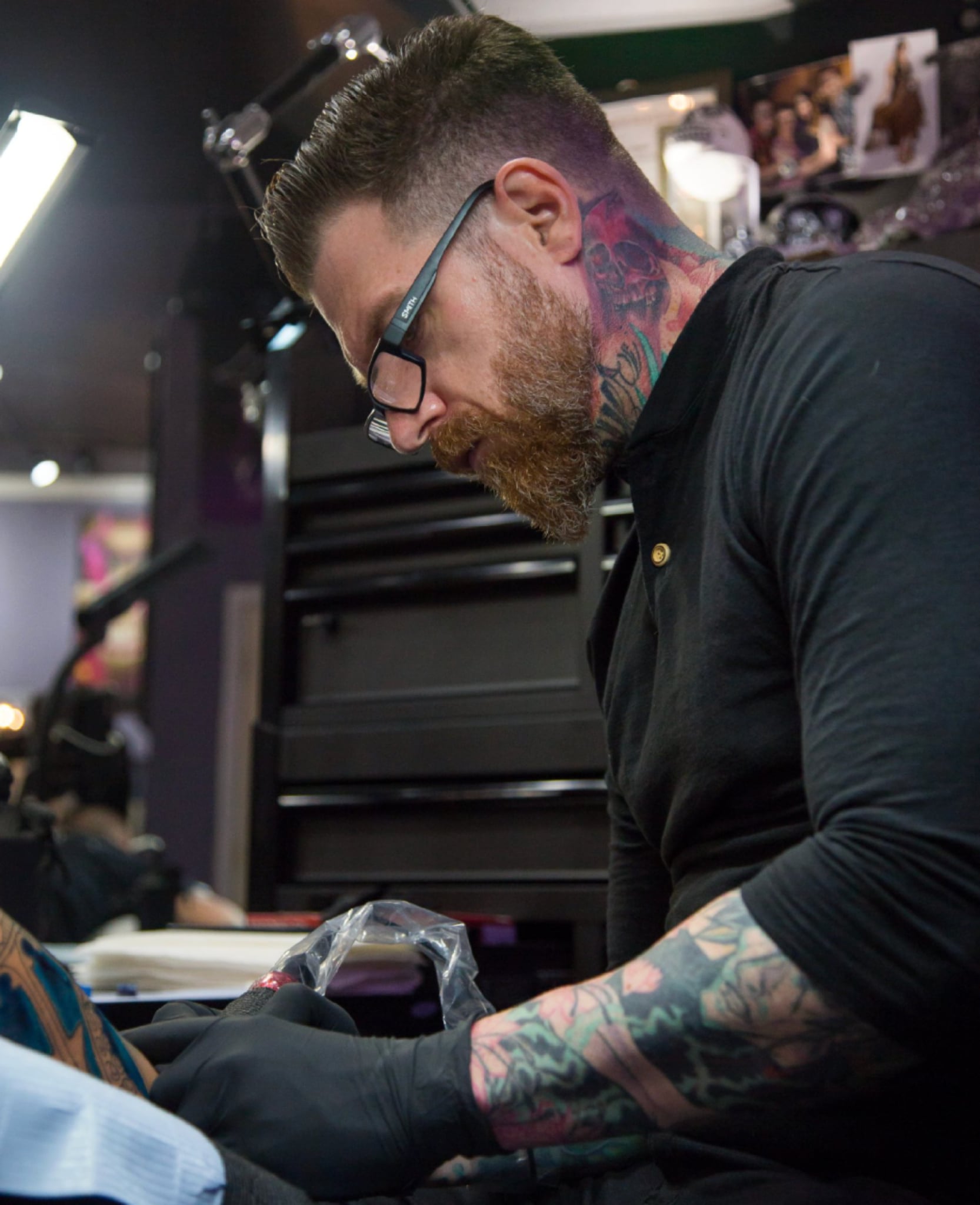
Care for a new portrait as you would any fresh tattoo. Follow your artist’s instructions for the dressing and daily care. Gentle cleaning and protection help the skin heal.
1. Clean the Tattoo Gently
Wash your hands first. Follow the instructions for removing or changing the dressing. When it’s time to clean the tattoo, use lukewarm water and mild fragrance-free soap. Avoid scrubbing; gently pat the area dry.
2. Apply Moisturizer Carefully
Apply a thin layer of the aftercare product your artist recommends. A fragrance-free moisturizer can help with dryness. Use a small amount, not a thick coating.
3. Avoid Scratching or Picking
Some itching and peeling can happen as the tattoo heals. Leave flakes and scabs alone. Picking can damage the skin and affect the finished artwork.
4. Protect the Tattoo From Sunlight
Keep a fresh tattoo out of direct sunlight while it heals. After it has fully healed, use broad-spectrum, water-resistant sunscreen with SPF 30 or higher. Reapply at least every two hours when outdoors. UV exposure can fade tattoo ink.
5. Avoid Swimming During Healing
Wait until the tattoo has healed before swimming. This includes pools and hot tubs as well as lakes and the ocean. Avoid soaking the area while it heals, even if it looks better on the surface.
6. Monitor Healing and Consider Touch-Ups
Seek medical care if redness spreads or pain gets worse. Pus or fever also needs prompt medical attention.
Once healing is complete, talk with your artist about the result. They can assess whether any areas would benefit from a touch-up.
In a Hurry? Call 727) 498-1999
Where Should You Place a Portrait Tattoo?
Choose a spot with enough room for the face and any details you want around it. The upper arm and forearm are common options. For a larger piece, consider the thigh or back. The chest may also work, depending on the composition.
Visibility matters too. Do you want to see the portrait every day? Would you prefer a location you can cover easily?
Next, consider how the design sits on your body. Curves and movement can change how it looks. Clothing that rubs the area may also be uncomfortable during healing.
Have your artist show you the proposed size and position before you settle on a placement.

Get a Custom Portrait Tattoo at Black Amethyst Tattoo
Knowing the pros and cons of portrait tattoo designs gives you a better starting point for planning your piece. Choose a photo that captures the expression you remember. Then take time to discuss the size and placement with your artist.
At Black Amethyst Tattoo in St. Petersburg, FL, we help clients explore custom artwork with personal meaning. Bring your reference photos and tell us what you want the portrait to capture.
Browse our portfolios and schedule a free consultation. We’ll talk through your idea so you can decide how you’d like to move forward.
Frequently Asked Questions
Q: Are Portrait Tattoos More Expensive Than Regular Tattoos?
A: They can cost more than simpler designs because of the preparation and shading involved. Size and detail affect the price. The artist’s rate and time needed also matter, so ask for an estimate before booking.
Q: How Long Does a Portrait Tattoo Take?
A: A portrait may take several hours or require multiple sessions. Larger designs usually need more time. A detailed background can add to that, so discuss the schedule with your artist.
Q: Do Portrait Tattoos Fade Over Time?
A: Yes. Ink can fade, and fine details may become softer. Sun protection helps reduce UV-related fading, though it won’t stop every change that comes with age.
Q: Can You Get a Portrait Tattoo From an Old Photograph?
A: Often, as long as the photo shows enough detail. Bring the clearest copy you have. If some features are hard to see, additional photos may help your artist understand the face.
Q: Can a Bad Portrait Tattoo Be Fixed?
A: Sometimes, but it depends on the existing tattoo. Dark ink and limited space can make changes difficult. An artist may recommend a rework or cover-up. In some cases, an artist may discuss professional laser lighting before further tattooing.