Getting a tattoo can be a meaningful way to express who you are, commemorate someone important, or simply wear artwork you love. But there is one part of the decision that deserves more thought than almost anything else: a tattoo is designed to stay with you.
At Black Amethyst Tattoo Gallery, we believe a good tattoo decision starts before the needle ever touches your skin. The design, artist, placement, cost, pain level, healing process, and how you may feel about the tattoo years from now all matter.
If you are trying to decide whether getting tattooed is right for you, weighing the pros and cons ahead of time can help you move forward with more confidence—or recognize that you would rather wait.
Key Takeaways
- Tattoos offer a permanent form of self-expression and can carry artistic, personal, cultural, or sentimental meaning.
- Permanence is both an advantage and a drawback, especially if your style, career, relationships, or preferences change later.
- Pain, healing time, cost, placement, and long-term appearance should be considered before choosing a design.
- Tattooing breaks the skin, so infection, allergic reactions, scarring, and other complications are possible.
- Choosing a design and artist carefully matters because tattoo removal can require multiple treatments and complete removal may not always be possible.
- If you are unsure about the design, placement, or commitment, waiting is usually easier than trying to change a tattoo afterward.
What Are the Main Pros and Cons of Getting a Tattoo?
The biggest advantage of getting a tattoo is that it allows you to permanently carry artwork or meaning on your body. The biggest disadvantage is essentially the same thing: permanence means the decision can be difficult and expensive to reverse.
Here is the basic trade-off:
| Pros of Getting a Tattoo | Cons of Getting a Tattoo |
| Personal self-expression | Permanent commitment |
| Meaningful way to mark people or events | Possible future regret |
| Wearable artwork | Pain during the tattoo process |
| Can increase confidence for some people | Healing and aftercare are required |
| Wide range of styles and designs | Infection or allergic reaction is possible |
| Can sometimes incorporate or disguise certain scars | Professional removal can be difficult and costly |
| Can be customized to your body and preferences | Tattoos can change as skin ages or changes |
The right choice depends less on whether tattoos are universally “good” or “bad” and more on whether you are comfortable with the specific tattoo you are considering.
Pros of Getting a Tattoo
1. Tattoos Give You a Permanent Form of Self-Expression
One of the strongest reasons people get tattoos is simple: they like being able to express part of themselves visually.
Your tattoo might represent your personality, interests, beliefs, heritage, favorite art style, or something that has shaped your life. Other people simply love how tattoos look and do not need the design to carry a deeper story.
Both are valid reasons.
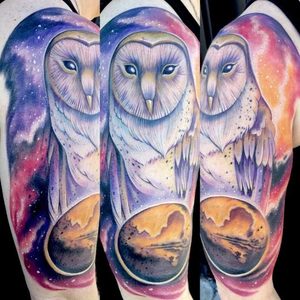
Because tattoos can be designed around your preferences, there is enormous room for individuality. Japanese tattoos, traditional tattoos, fine line pieces, colorful designs, cartoon-inspired work, black-and-gray tattoos, and full sleeves can create completely different visual effects.
That flexibility is part of what makes tattooing such a personal art form.
2. A Tattoo Can Carry Personal Meaning
Tattoos are often used to remember a person, mark an important experience, represent family, or commemorate a major period in someone’s life.
That permanence can be valuable when permanence is exactly what you want.
A memorial tattoo, for example, may carry emotional significance well beyond how the artwork looks. The same can be true of symbols connected to family, cultural identity, achievements, or experiences that changed your life.
Still, meaningful does not have to mean complicated. A small symbol may matter just as much to someone as a detailed sleeve.
3. You Get to Wear Original Artwork
A well-designed tattoo becomes artwork that moves with you.
Unlike a print hanging on a wall, tattoo art has to work with the shape, movement, scale, and contours of the body. Placement can affect how the composition flows, how much detail is practical, and how the tattoo looks from different angles.
That is one reason choosing an artist whose work fits the style you want matters.
At Black Amethyst Tattoo Gallery, our artists work in styles that include custom designs, sleeves, cover-ups, Japanese tattoos, traditional tattoos, vibrant color work, cartoon tattoos, and fine line work. Matching the concept to the right artistic approach can make a major difference in the finished piece.
4. Tattoos Can Improve Confidence for Some People
Some people simply feel more like themselves after getting tattooed.
A tattoo may make someone feel more comfortable with their appearance, more connected to their identity, or more confident showing a part of their body.
That response is highly personal. A tattoo should not be treated as a guaranteed way to improve confidence, but body art can play a positive role in how some people see themselves.
5. Tattoos May Be Able to Work With Certain Scars
Tattoo artists can sometimes design artwork that incorporates or visually disguises a healed scar.
However, tattooing scar tissue is not the same as tattooing unaffected skin. The age, texture, color, thickness, location, and cause of the scar can all affect what is practical.
Raised scars and a history of keloids require particular caution. Mayo Clinic and the FDA both identify keloid formation and other scar-related reactions as possible tattoo complications.
If scar coverage is your main reason for getting tattooed, the scar should be evaluated individually rather than assuming any design can simply be placed over it.
Cons of Getting a Tattoo

1. Tattoos Are Intended to Be Permanent
Permanence is probably the biggest issue to think about before getting tattooed.
Your taste at 25 may not be your taste at 45. Relationships change. Careers change. Bodies change. Even your preferred tattoo style can change.
That does not mean you are likely to regret every tattoo as you get older. It means you should distinguish between normal nervousness and genuine uncertainty.
If you keep changing your mind about the design, placement, size, or meaning, there is nothing wrong with waiting.
Tattoo removal exists, but it should not be treated as an easy undo button. The FDA notes that tattoo removal may require several treatments, can be expensive, and complete removal without scarring may not always be possible.
2. Getting Tattooed Hurts
Tattooing involves repeatedly depositing ink through the skin, so some degree of discomfort should be expected.
How much it hurts depends on several factors, including:
- tattoo placement
- session length
- individual pain tolerance
- size and complexity of the design
- how much work is performed over the same area
Areas with less padding or more nerve sensitivity can feel very different from fleshier parts of the body.
Pain should not necessarily stop you from getting a tattoo, but it should be part of your planning—especially if you are considering a large piece or a long session for your first tattoo.
3. Tattoos Require Healing and Aftercare
The tattoo is not finished simply because the appointment is over.
Freshly tattooed skin needs time to heal, and following proper aftercare instructions helps protect both your skin and the appearance of the tattoo.
Some temporary redness, tenderness, or swelling can occur after tattooing. However, worsening redness, unusual bumps or lesions, a tattoo that does not appear to be healing, or symptoms such as fever may need medical attention. The FDA specifically advises contacting a health professional if you are concerned about infection or an allergic reaction.
This is also why you should think about timing. Getting tattooed immediately before activities that interfere with healing may make aftercare harder than it needs to be.
4. Infection and Allergic Reactions Are Possible
Tattooing breaks the skin, which creates potential health risks.
The FDA has received reports involving infections from contaminated tattoo inks as well as allergic reactions to tattoo inks. It also notes that contamination can occur even in sealed ink products, which is one reason tattoo safety involves both artist practices and the products being used.
Mayo Clinic lists tattoo-related risks including skin infections, allergic skin reactions, granulomas, keloids, and bloodborne diseases when contaminated equipment is involved.
An unusual reaction should not simply be assumed to be normal healing. If something looks or feels wrong, speak with a qualified healthcare professional.
5. A Good Tattoo Can Be a Significant Expense
Tattoo pricing can vary widely.
Size matters, but it is only one factor. Price may also depend on the detail involved, placement, style, artist, complexity of the drawing, number of sessions, and whether you are creating a completely custom piece or working around an existing tattoo.
A detailed sleeve, for example, requires a very different amount of planning and tattooing time than a small, simple piece.
Cost is worth thinking about before you commit because choosing a tattoo primarily on the lowest available price can create a much more expensive problem if you later want a cover-up, rework, or removal.
6. Visible Tattoos May Matter in Some Workplaces
Attitudes toward tattoos have changed considerably, but workplace expectations still vary.
A visible hand, neck, or face tattoo may have different practical implications than a tattoo that can easily be covered with normal clothing.
That consideration depends heavily on your profession and employer. If you work in an environment with appearance policies or expect to enter a field with conservative dress standards, checking those requirements before choosing placement makes sense.
Changing the placement before a tattoo is easy. Changing it afterward is not.
7. Tattoos Change as Your Skin Changes
Tattoos do not exist separately from your skin.
They can change gradually as skin ages. Major weight changes, pregnancy, sun exposure, scarring, and natural changes in skin texture may also affect how a tattoo looks over time.
Placement and design can influence how noticeable those changes become.
A good tattoo should therefore be planned for the body you have now while recognizing that neither skin nor ink remains visually identical forever.
What Should You Consider Before Getting Your First Tattoo?
Before booking a first tattoo, ask yourself whether you are confident about four things: the idea, the placement, the artist, and the commitment.
The following questions can help you sort out hesitation before it becomes regret:
- Would I still want this design if nobody else ever saw it?
- Am I comfortable having it permanently?
- Have I considered how the placement may affect work or daily life?
- Does this artist’s portfolio show strong examples of the style I want?
- Can I comfortably afford the tattoo without choosing based only on price?
- Can I follow the required aftercare while it heals?
- Am I choosing this because I genuinely want it, rather than because someone else wants me to get it?
- If I removed the personal meaning from the design, would I still like how it looks?
You do not need to feel absolutely fearless. First-tattoo nerves are normal.
But excitement mixed with nerves is different from repeatedly thinking, “I don’t know if I actually want this.”
Listen to that distinction.
Does Tattoo Placement Really Matter?
Yes. Tattoo placement affects appearance, pain, visibility, available design space, and how the artwork interacts with the shape of your body.
A tiny design that works on a wrist may need to be enlarged substantially if the idea contains fine details that need enough room to remain readable. A sleeve requires a different approach because separate elements need to work together across the arm.
Visibility matters too.
If you know you need the option to cover your tattoo easily, tell your artist that before settling on the placement. That conversation is much easier before the stencil goes on.
Should You Get a Trendy Tattoo?
You can get a trendy tattoo if you genuinely like the design, but the fact that something is popular right now should not be the only reason you choose it.
Tattoo trends change just like clothing, typography, interior design, and other visual styles.
Ask yourself a better question: Would I still enjoy this design if it stopped being fashionable next year?
If the answer is yes, popularity probably does not matter much.
If the trend itself is the main attraction, waiting a few months can tell you a lot.
What If You Love the Idea but Are Unsure About the Design?
Do not force the final design just because you have decided that you want a tattoo.
Sometimes the concept is right but the execution needs more thought.
You may need to adjust:
- size
- placement
- color palette
- level of detail
- tattoo style
- composition
- how the design wraps around the body
- whether it needs to connect with future tattoos
Talking through those issues with an artist before the appointment can turn a rough idea into something much more suitable for tattooing.
What If You Already Have a Tattoo You Do Not Like?
An unwanted tattoo does not automatically mean removal is your only option.
Depending on the existing tattoo’s size, darkness, placement, age, and design, a cover-up may be possible. Some cover-ups require significant changes from the new design you originally imagined because the new tattoo has to work with what is already underneath.
In other cases, tattoo removal or partial laser fading may be considered before a cover-up.
This is a highly individual design problem. An artist needs to see the existing tattoo before giving you a realistic idea of what can be done.
How Do You Know If a Tattoo Is Right for You?
A tattoo may be right for you if you genuinely like the design, understand that it is permanent, are comfortable with the placement, can handle the cost and healing process, and have chosen an artist whose work matches what you want.
It may make sense to wait if you are uncertain about the concept, getting pressured by someone else, trying to make an emotional decision very quickly, or assuming you can easily remove the tattoo if you change your mind.
There is no prize for getting tattooed sooner.
A tattoo can stay with you for decades. Taking another week or month to be sure is a small trade-off.

FAQs About the Pros and Cons of Getting a Tattoo
Q: Is getting a tattoo worth it?
A: A tattoo can be worth it if you value permanent body art and feel confident about the design, artist, placement, cost, and commitment. Because those factors are personal, there is no universal answer that applies to everyone.
Q: What is the biggest disadvantage of getting a tattoo?
A: For many people, the biggest disadvantage is permanence. Tattoo removal can take multiple treatments, cost considerably more than expected, and may not restore the skin exactly to its pre-tattoo appearance.
Q: What is the biggest advantage of getting a tattoo?
A: The biggest advantage is the ability to wear art that permanently represents something you enjoy, value, remember, or identify with. The meaning can be deeply personal, purely aesthetic, or both.
Q: Can tattoos cause health problems?
A: Yes. Possible complications include infections, allergic reactions, granulomas, keloids, and other skin reactions. Contaminated equipment can also transmit bloodborne disease. Following appropriate hygiene and aftercare practices reduces risk but cannot make tattooing completely risk-free.
Q: Can you completely remove a tattoo later?
A: Not always. Laser tattoo removal can reduce or remove tattoo pigment, but several treatments may be needed and complete removal without scarring is not guaranteed.
Q: Is it normal to be nervous before getting a tattoo?
A: Yes. Being nervous about pain or getting your first tattoo is different from being uncertain about whether you actually want the design. If you are questioning the tattoo itself rather than simply feeling appointment nerves, giving yourself more time may be the better choice.
Thinking About Your Next Tattoo in St. Petersburg?
Getting tattooed should feel like a decision you had enough time and information to make.
Here at Black Amethyst Tattoo Gallery in St. Petersburg, we create custom tattoos across a range of styles, including sleeve tattoos, cover-ups, Japanese and traditional work, vibrant color pieces, cartoon tattoos, and fine line designs. We also offer booking options and same-day walk-in availability.
If you have an idea but are still working through the design, size, style, or placement, talk with us about what you have in mind. We can help you determine how the concept could translate into a tattoo before you make the final commitment.